Blockchain: Beyond Bitcoin
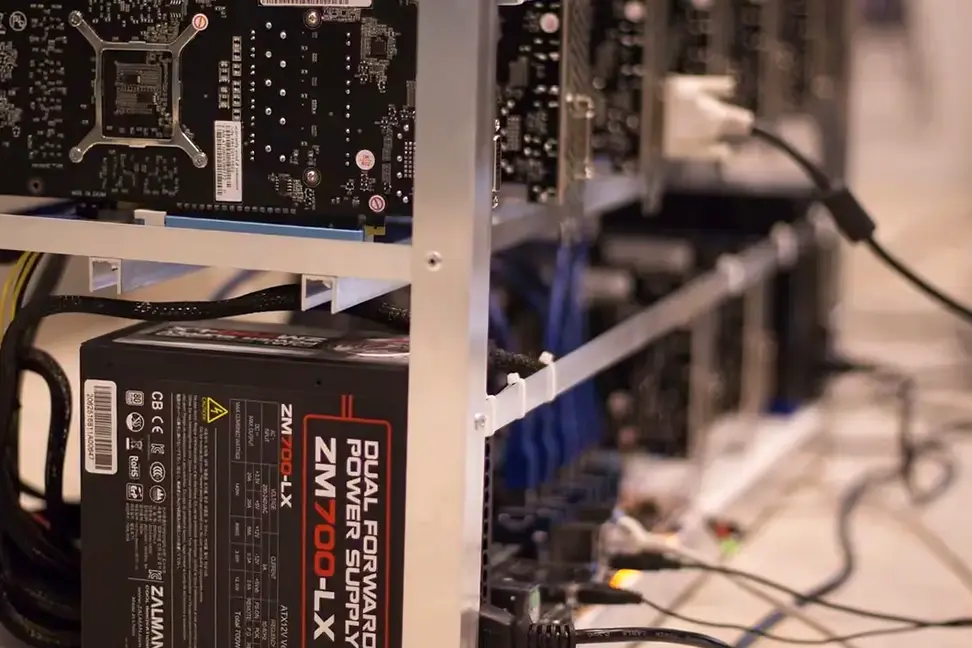
Blockchain became famous through Bitcoin, but the underlying technology is broader than cryptocurrencies. At its core, it is a shared ledger that many participants can read and verify, and that is extremely difficult to alter after the fact.
How a blockchain works
Transactions are grouped into blocks, and each block contains a cryptographic fingerprint of the previous one. Changing an old record would mean recalculating every block that follows, on most copies of the ledger at once. This design allows parties who do not fully trust each other to agree on a common history without relying on a central authority.
Applications beyond currency
In finance, smart contracts execute automatically when conditions are met, for example releasing a payment when goods are delivered. Some projects explore the tokenization of assets such as real estate or artworks, allowing fractional ownership. Outside finance, supply chains use blockchain to trace products from farm to shelf, proving the origin of coffee or the authenticity of luxury goods. Other experiments involve digital diplomas, medical records and land registries.
- Traceability of food and raw materials
- Verifiable certificates and credentials
- Automated contracts between companies
- Transparent records for donations and public funds
Knowing when it makes sense
Blockchain is not a magic solution. Some networks consume large amounts of energy, although newer systems are far more efficient. Many projects could run perfectly well on a traditional database. The technology is most useful when several organizations need a shared, tamper-evident record and no single party should control it. Approach investment schemes built on it with caution.